India's Independence
A Scroll Through History - 1857 to 1947
A Scroll Through History - 1857 to 1947
Also called the Sepoy Mutiny, this was a major, but ultimately unsuccessful, uprising against British rule.
The INC became the principal leader of the Indian independence movement.
British troops killed hundreds of unarmed civilians, leading to widespread outrage and resistance.
Launched by Gandhi demanding an end to British Rule of India.
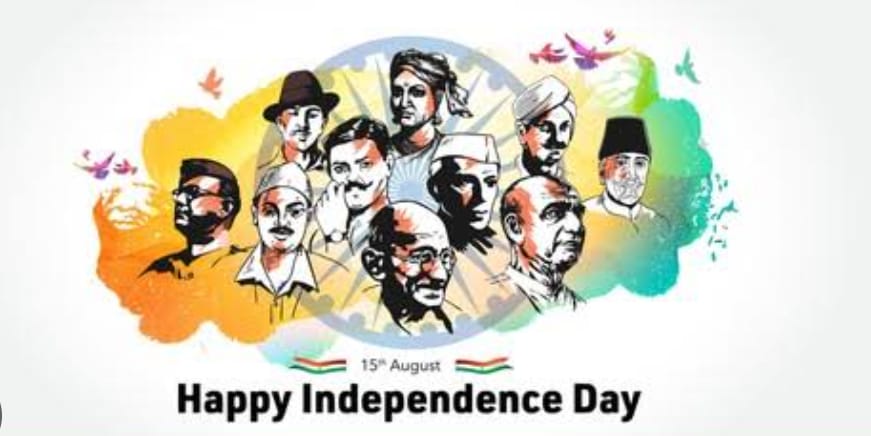
India officially gained independence on August 15, 1947.
India was divided into two independent dominions, India and Pakistan, leading to significant upheaval.
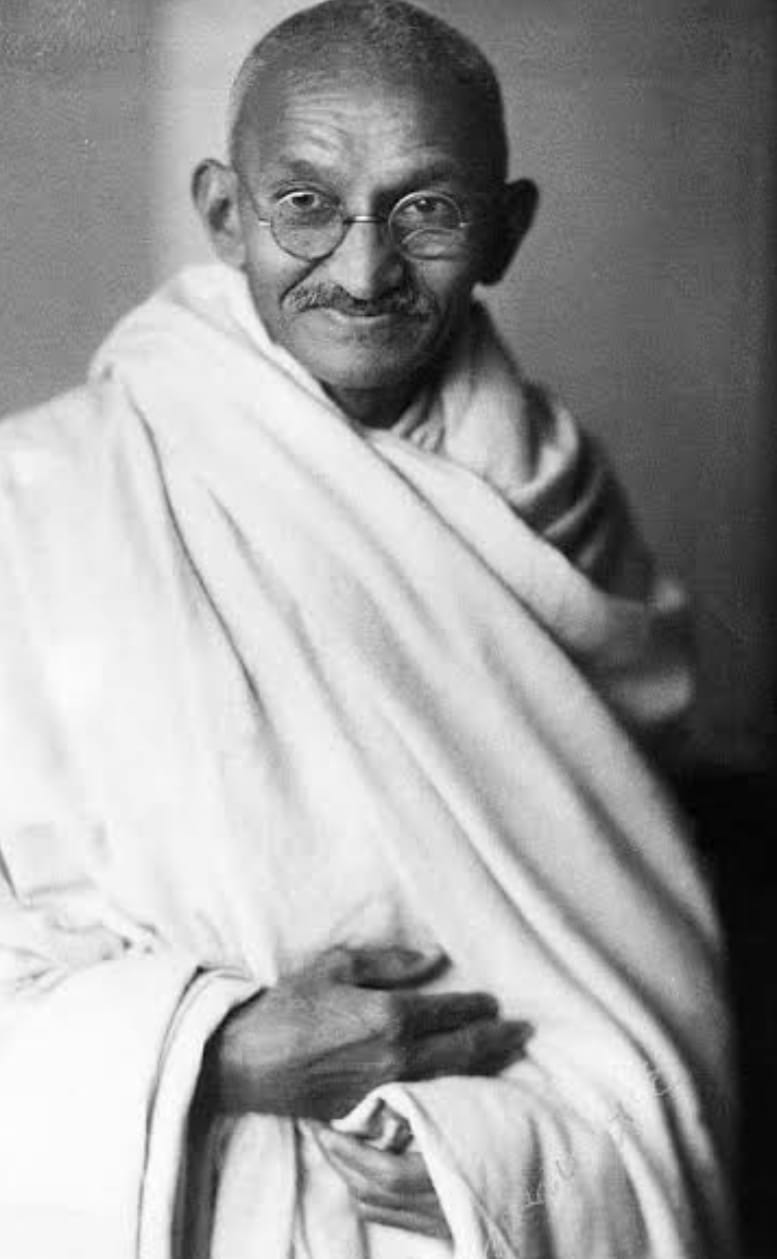
Mahatma Gandhi, born as Mohandas Karamchand Gandhi on October 2, 1869, in Porbandar, Gujarat, was a key leader in India’s struggle for independence from British rule. He is widely regarded as the Father of the Nation for his role in uniting Indians through non-violent civil disobedience. Gandhi introduced the world to the powerful concepts of Satyagraha (truth-force) and Ahimsa (non-violence), leading several landmark movements such as the Non-Cooperation Movement (1920), the Dandi Salt March (1930), and the Quit India Movement (1942). His philosophy inspired global leaders like Martin Luther King Jr. and Nelson Mandela. Gandhi lived a life of simplicity, wore khadi, promoted rural development, and believed in self-reliance and harmony among all communities. His efforts not only challenged colonial rule but also aimed at eradicating social evils like untouchability. He was assassinated on January 30, 1948, but his ideals of peace, truth, and justice continue to guide and inspire movements for freedom and equality around the world..
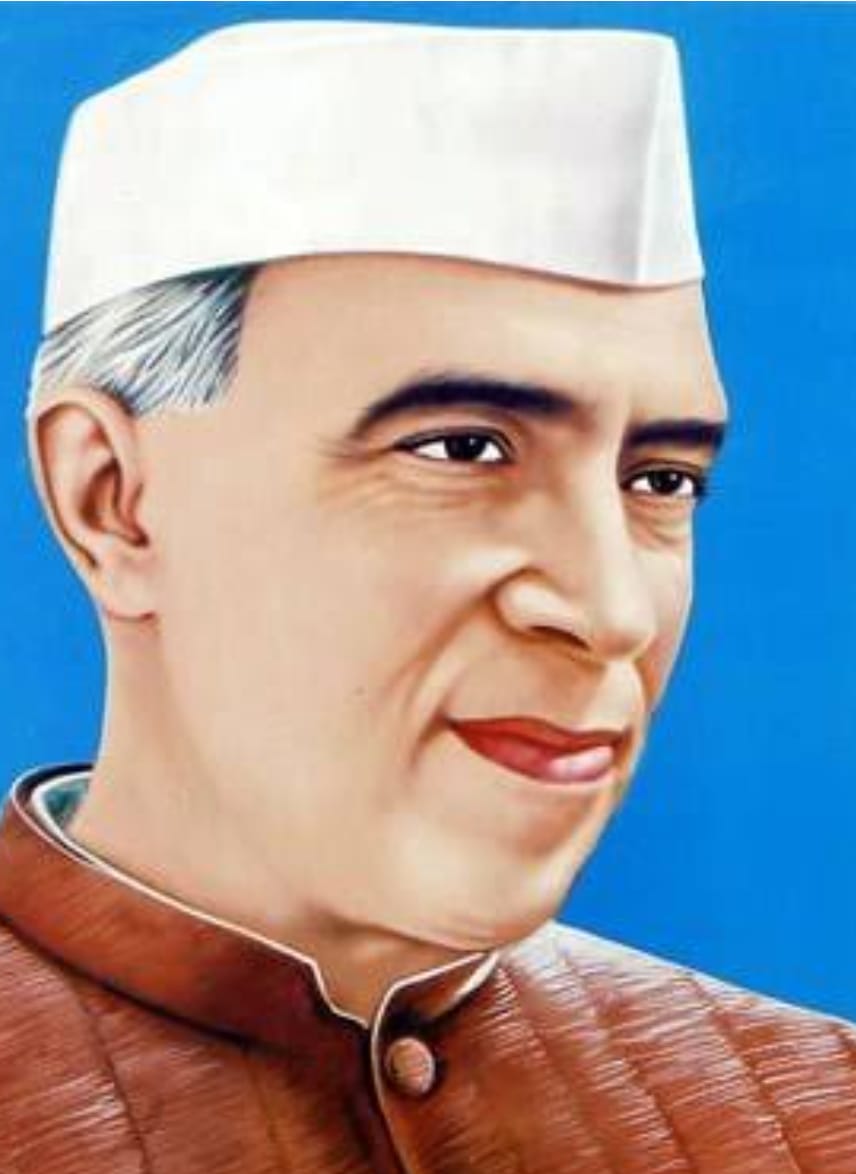
Jawaharlal Nehru, born on November 14, 1889, was a central figure in India’s struggle for independence and the country’s first Prime Minister after independence in 1947. A visionary leader and a close associate of Mahatma Gandhi, Nehru played a key role in shaping modern India’s political and social landscape. He advocated for a secular, democratic, and socialist India, promoting scientific progress and industrialization as pillars for national development. Nehru’s policies laid the foundation for education, infrastructure, and international diplomacy in independent India. As the architect of a new nation, Nehru’s legacy includes his emphasis on unity in diversity and his famous vision of a “Tryst with Destiny,” symbolizing India’s journey toward progress and freedom. .
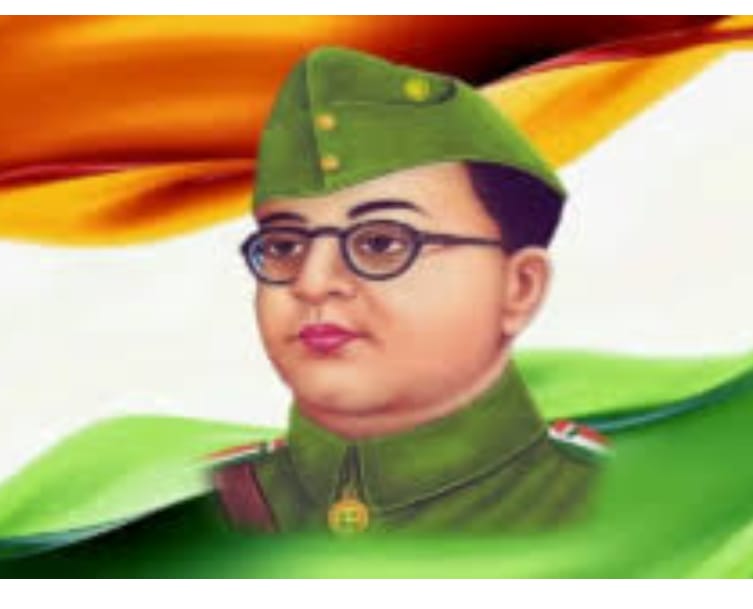
Subhash Chandra Bose, popularly known as Netaji, was born on January 23, 1897, in Cuttack, Odisha. He was a fearless and charismatic leader who played a crucial role in India’s freedom struggle, advocating for complete independence through more militant means compared to the non-violent approach of other leaders. Bose strongly believed in armed resistance against British rule. He led the Indian National Army (INA), formed with Indian prisoners of war and expatriates, aiming to liberate India with the help of Axis powers during World War II. Known for his slogan “Give me blood, and I will give you freedom,” Bose inspired countless Indians to take up the fight for their country’s sovereignty. Despite controversies and his mysterious disappearance in 1945, his legacy as a patriotic revolutionary remains deeply respected. His determination and leadership continue to motivate generations to stand up for justice and national pride..
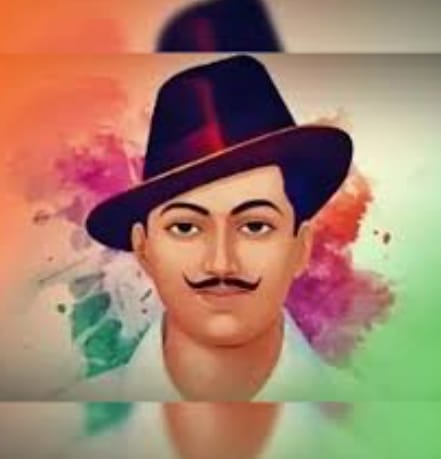
Bhagat Singh was a revolutionary freedom fighter born on September 28, 1907, who became a symbol of youthful patriotism and fearless resistance against British colonial rule. He was deeply influenced by socialist ideas and believed in the power of direct action to overthrow oppression. Bhagat Singh is best known for his role in the Lahore Conspiracy Case and for his bold act of throwing non-lethal bombs in the Central Legislative Assembly to protest against repressive laws. Despite his young age, his courage and writings inspired countless Indians to join the independence movement. He was executed by the British at the age of 23, becoming a martyr and enduring icon for India’s freedom struggle..
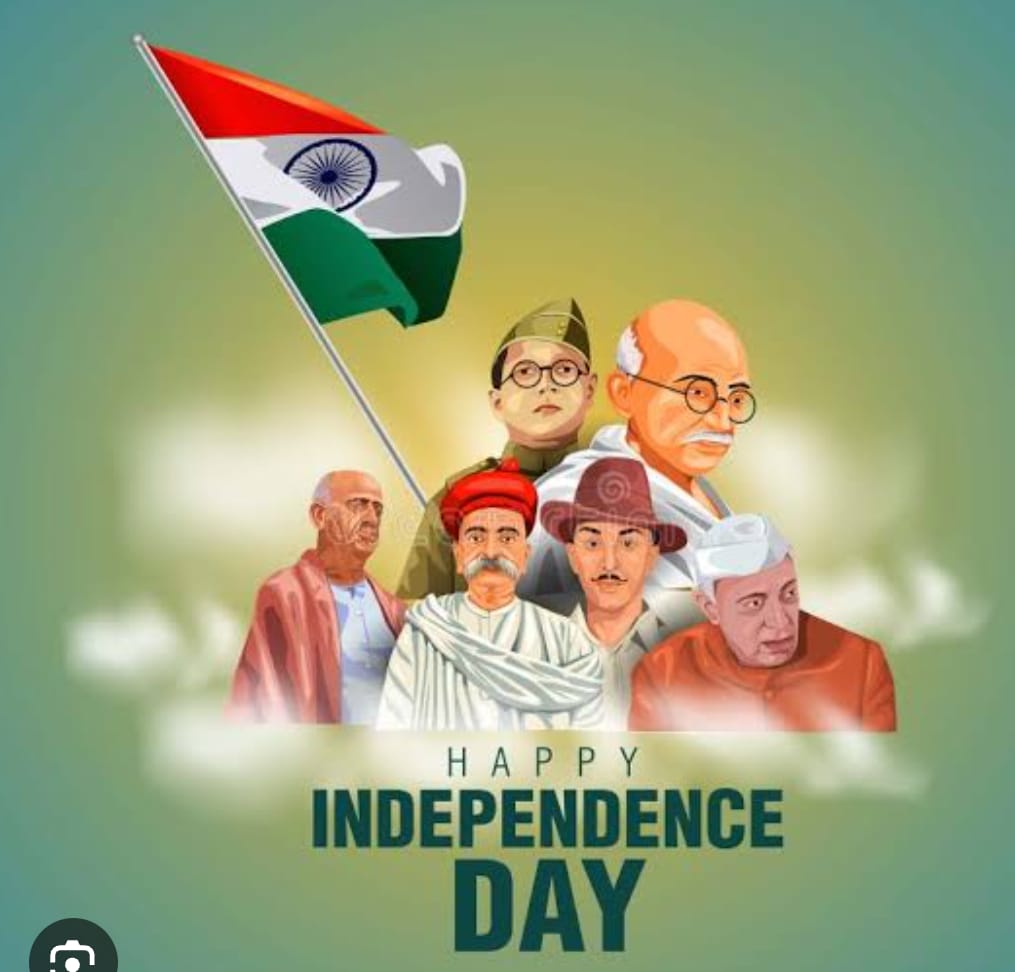
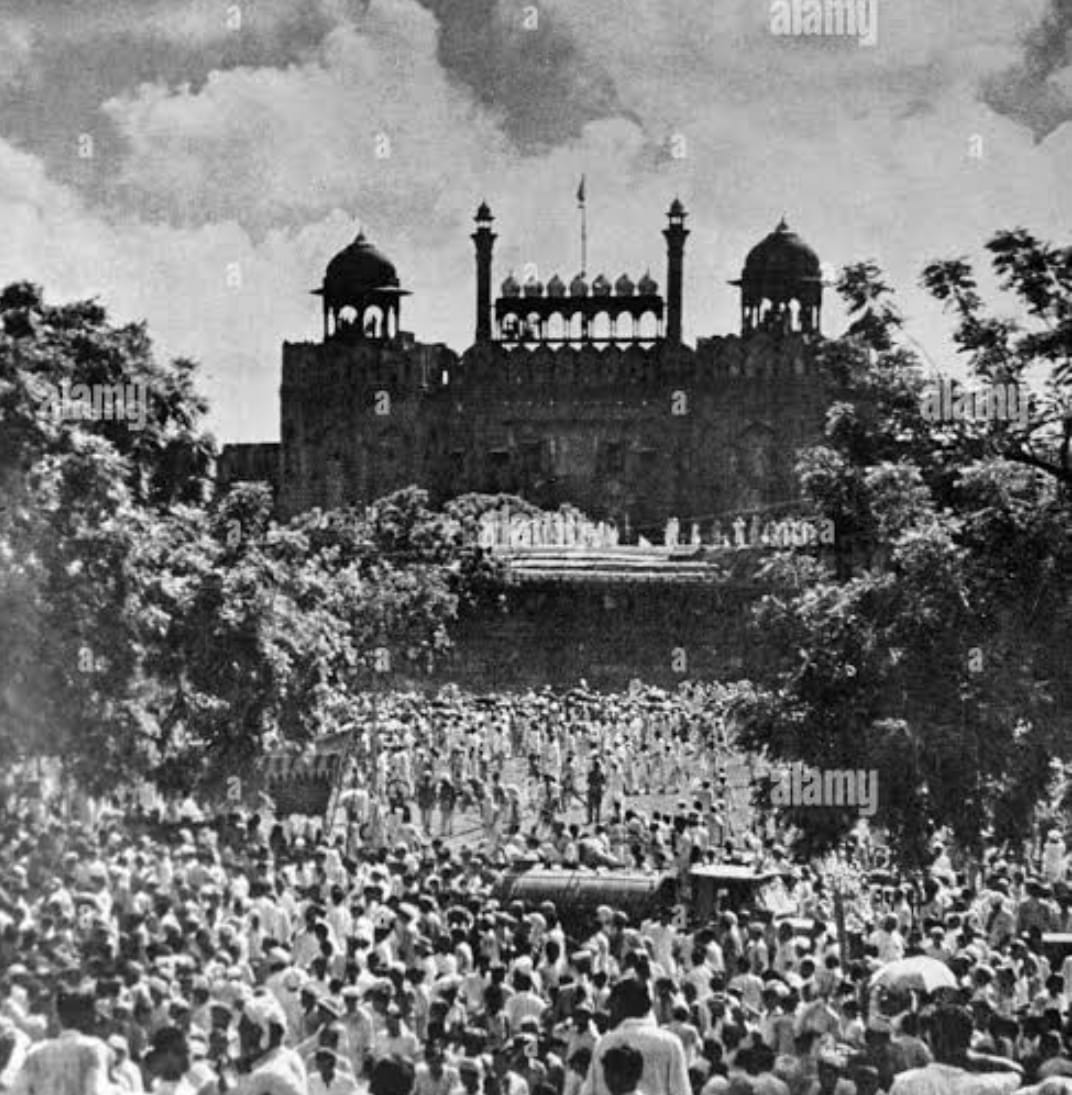
India's independence was not just a political revolution; it was the birth of a new nation shaped by the dreams, struggles, and sacrifices of millions. Let us remember and honor their legacy.